Tally operations fail at the seams, not the center
Every major election dispute in the last decade started between the polling station and the national tally center. Not inside the station. Not at the count.
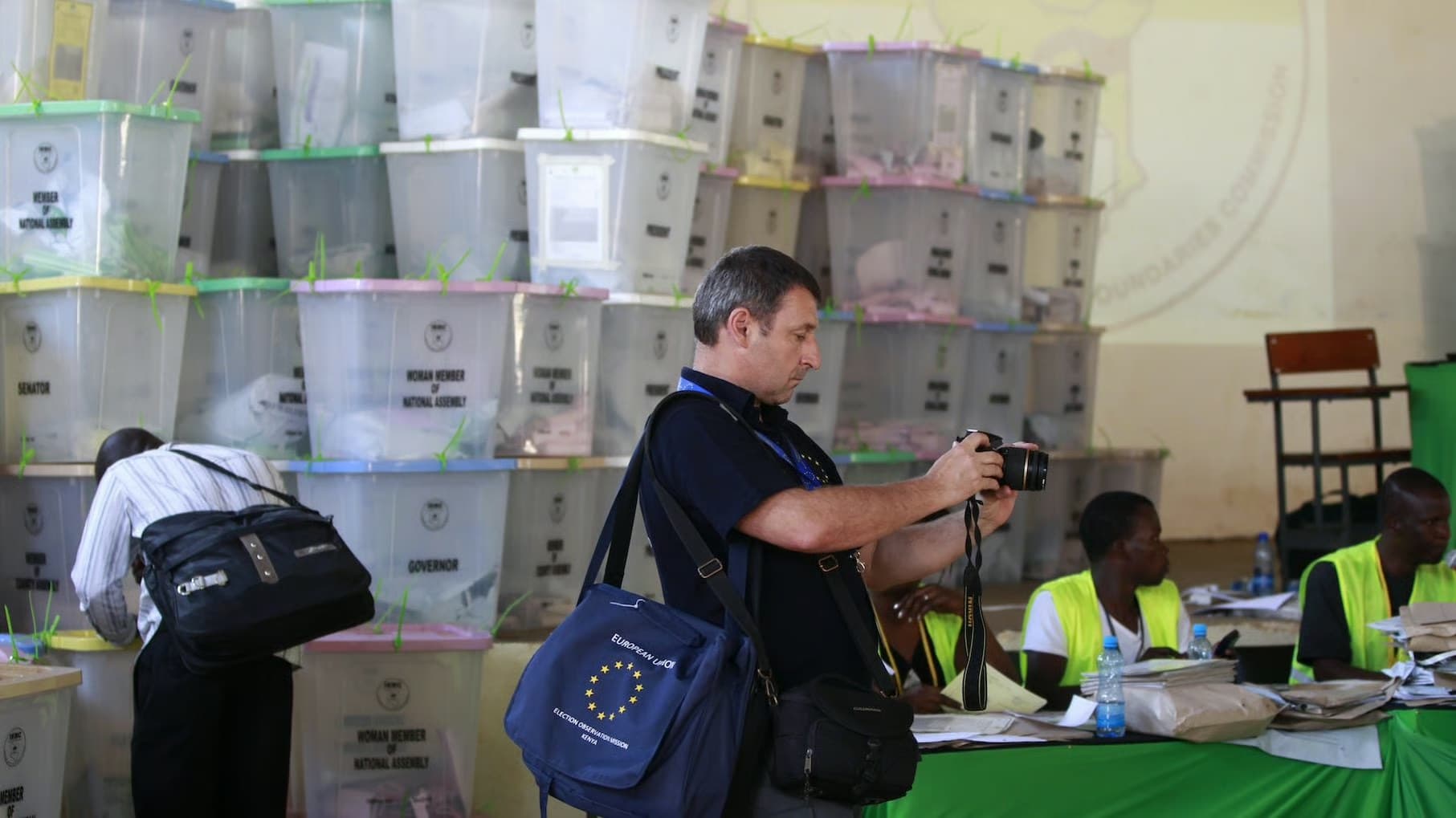
Kenya 2017 was annulled by the Supreme Court because the majority of transmitted results arrived without scanned form images. Forms were unsigned, illegible, or missing entirely from roughly 11,000 stations. The aggregate was declared before the evidence existed.
Nigeria 2023 had a different failure with the same shape. The results portal collapsed for presidential uploads even as legislative results flowed normally. Presiding officers had already powered off their devices and left. Re-uploading meant tracking people down individually, finding connectivity, and restarting transmission over days.
These are not counting problems. They are results management problems. And they happen because tally operations are built as if the hard part is reading the ballot, when the hard part is moving verified data through a chain of custody under pressure.
Three decisions that must be locked before polling day
A tally workflow that holds under pressure starts with three decisions made well before the first form arrives.
1. How forms are captured in the field
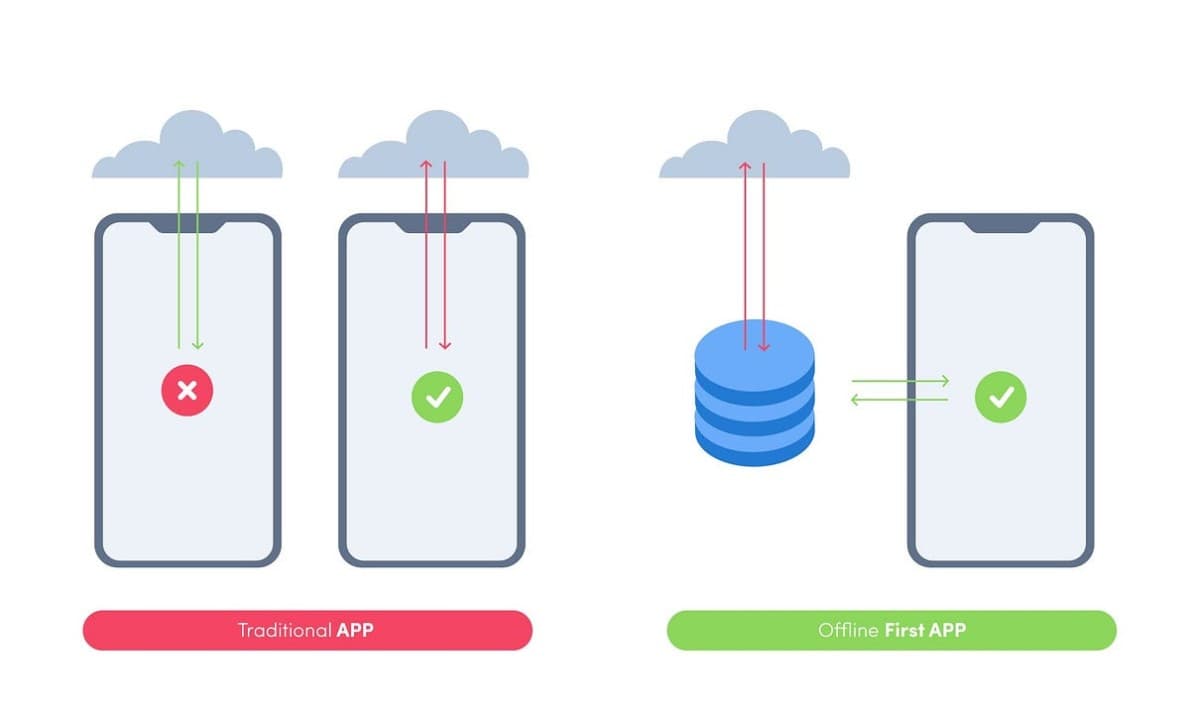
Collectors should never wait on full OCR before moving to the next station. The correct checkpoint is durable acceptance: the image is uploaded, the form record exists, and OCR is queued.
This matters because connectivity is the most persistent operational risk. Kenya identified over 1,200 polling stations with no 3G or 4G coverage at all. Any capture workflow that blocks on processing will stall the pipeline the moment a network drops.
2. How suspicious forms are surfaced for review
A command center that spends equal time on every form will drown. A Cambridge study of Malawi's 2019 election found that presiding officers' inability to complete forms correctly created cascading reconciliation failures indistinguishable from fraud. Clean forms should flow quickly. Human attention should focus on:
- station mismatches
- arithmetic failures
- duplicate or conflicting siblings from the same station
- ambiguous candidate mapping
- missing summary fields
Queue design matters more than raw OCR speed. A system that surfaces exceptions poorly will produce less trustworthy results than a slower one that routes every anomaly to the right reviewer immediately.
3. Who has authority to approve, dismiss, or escalate
The operation needs clear answers to:
- when a form becomes canonical
- what triggers conflict status
- who can supersede or dismiss a sibling
- how station and contest aggregates rebuild after review
Without that discipline, totals shift even when the team thinks a station is settled. Leadership loses confidence in the board. And once leadership does not trust the numbers, the entire operation slows as every decision gets second-guessed.
Counting is not the same as managing results
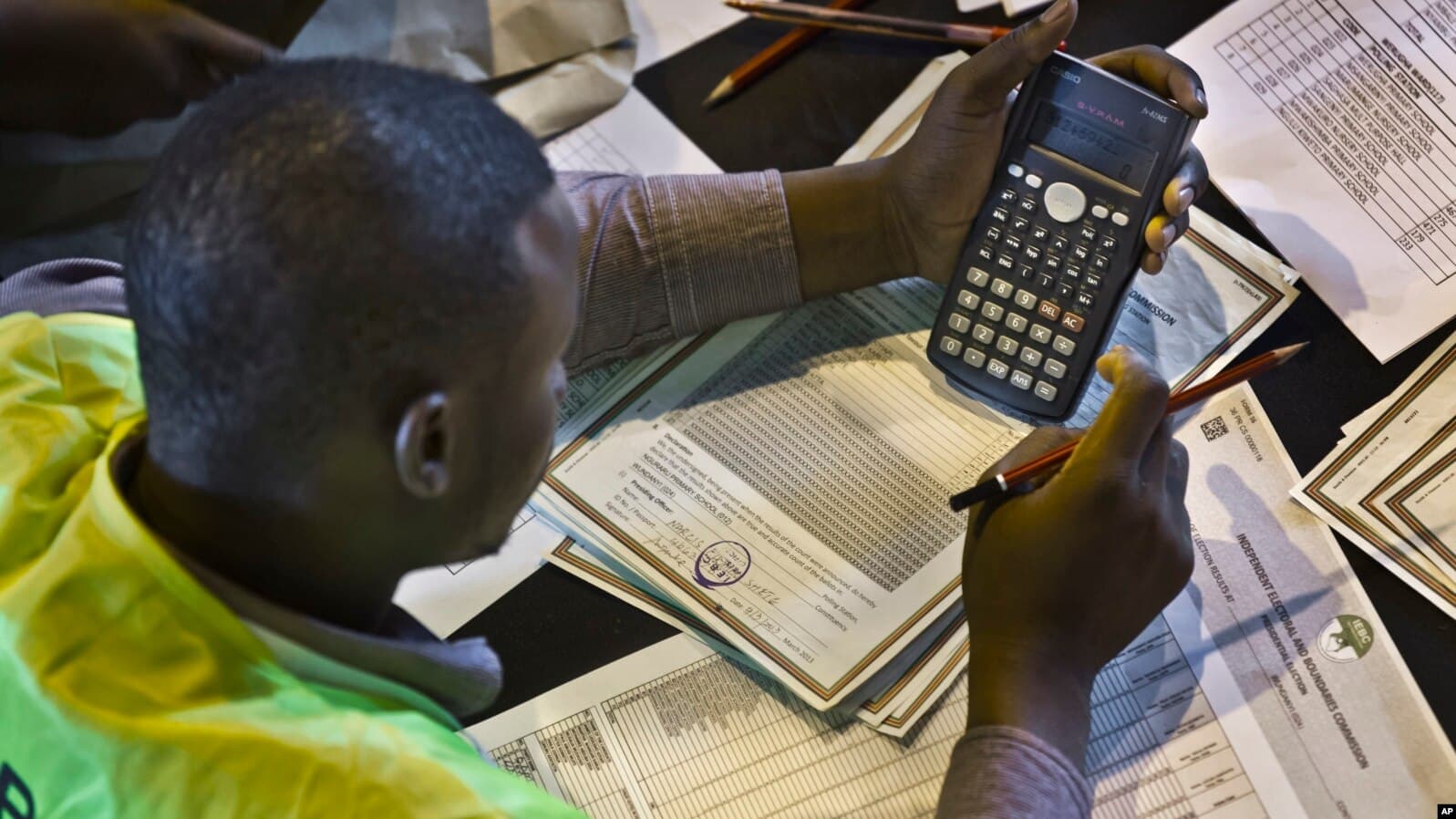
Counting is mechanical. Open the box, sort the ballots, tally the marks, fill the form. It happens at one location with witnesses present.
Results management is everything around counting: how forms are captured, transmitted, verified at each aggregation level, disputed, resolved, and declared. The UNDP's Electoral Results Management Systems framework makes this distinction explicit. It includes connectivity contingencies, stakeholder access, review workflows, and the communication strategy that fills the gap between when citizens expect results and when manual processes deliver them.
Most operations over-invest in counting accuracy and under-invest in everything after. The result is a system that works perfectly at the station and falls apart in transit.
The leadership view is different from the reviewer view
Reviewers need row-level detail: image clarity, candidate-row alignment, arithmetic checks. Their job is to validate or flag individual forms.
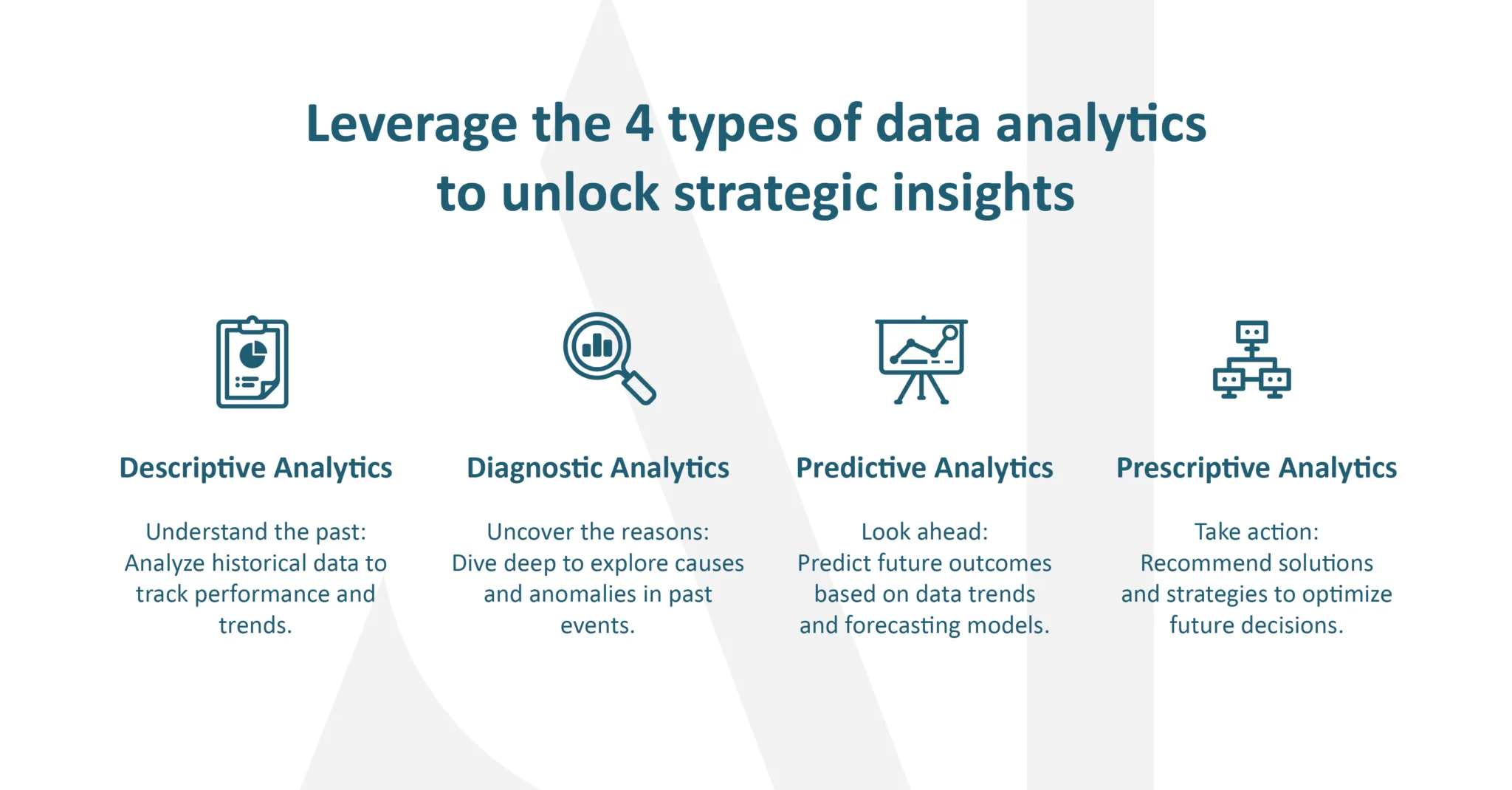
Leaders need the operational picture: coverage percentage, margin trends, unresolved stations, risk concentration. Their job is to allocate attention and make calls on escalation.
When these views are collapsed into one interface, both groups lose time. Reviewers get distracted by aggregates they cannot act on. Leaders get pulled into form-level details that slow their decision cycle.
A healthy tally center makes that separation explicit.
The practical takeaway
If you want to protect a result, do not start by asking whether OCR is fast enough. Start by asking whether the full workflow is ready for pressure.
A strong tally operation should already have:
- field capture that survives connectivity loss
- background OCR with retry and fallback
- reviewer queues organized by exception type
- explicit canonical and conflict resolution rules
- separation between reviewer and leadership views
- live coverage tracking by station
That is the difference between an operation that reacts to chaos and one that controls pace.