Connectivity is not the real bottleneck
Campaign teams blame weak signal for slow field operations. But connectivity is a condition, not the root cause. The real bottleneck is software that cannot work without it.
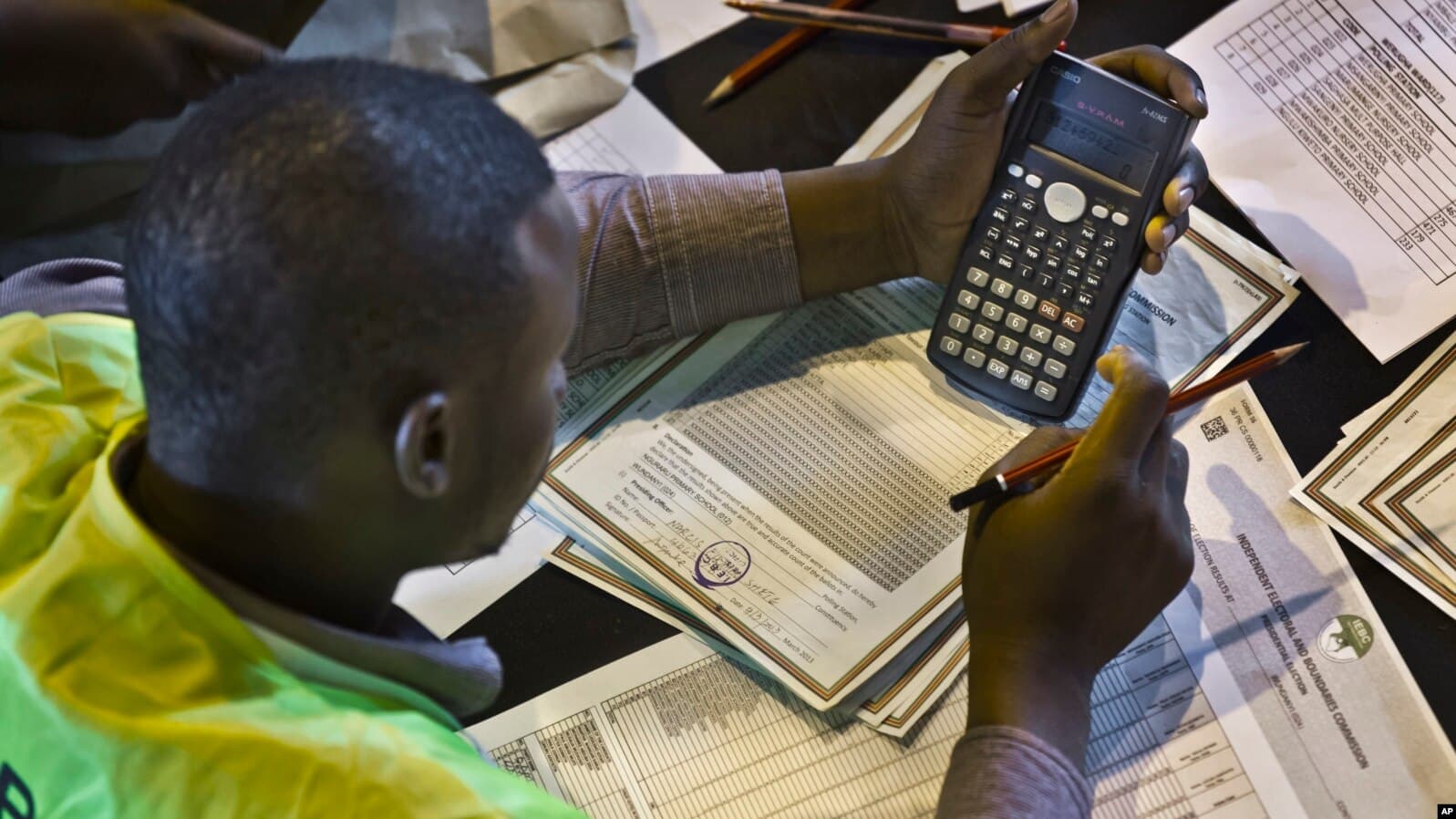
Nigeria proved this in 2023. BVAS devices uploaded Senate and House results without major incident. Presidential results, routed through a single national endpoint, collapsed. Only 11 percent of presidential results reached the IReV portal in the first 24 hours. After three days, less than half. After eight days, still 8 percent missing.
The devices worked. The network was the same network. The architecture was the problem. A system that assumes continuous connectivity deployed across 176,000 polling units is not a resilient system. It is a bet against physics.
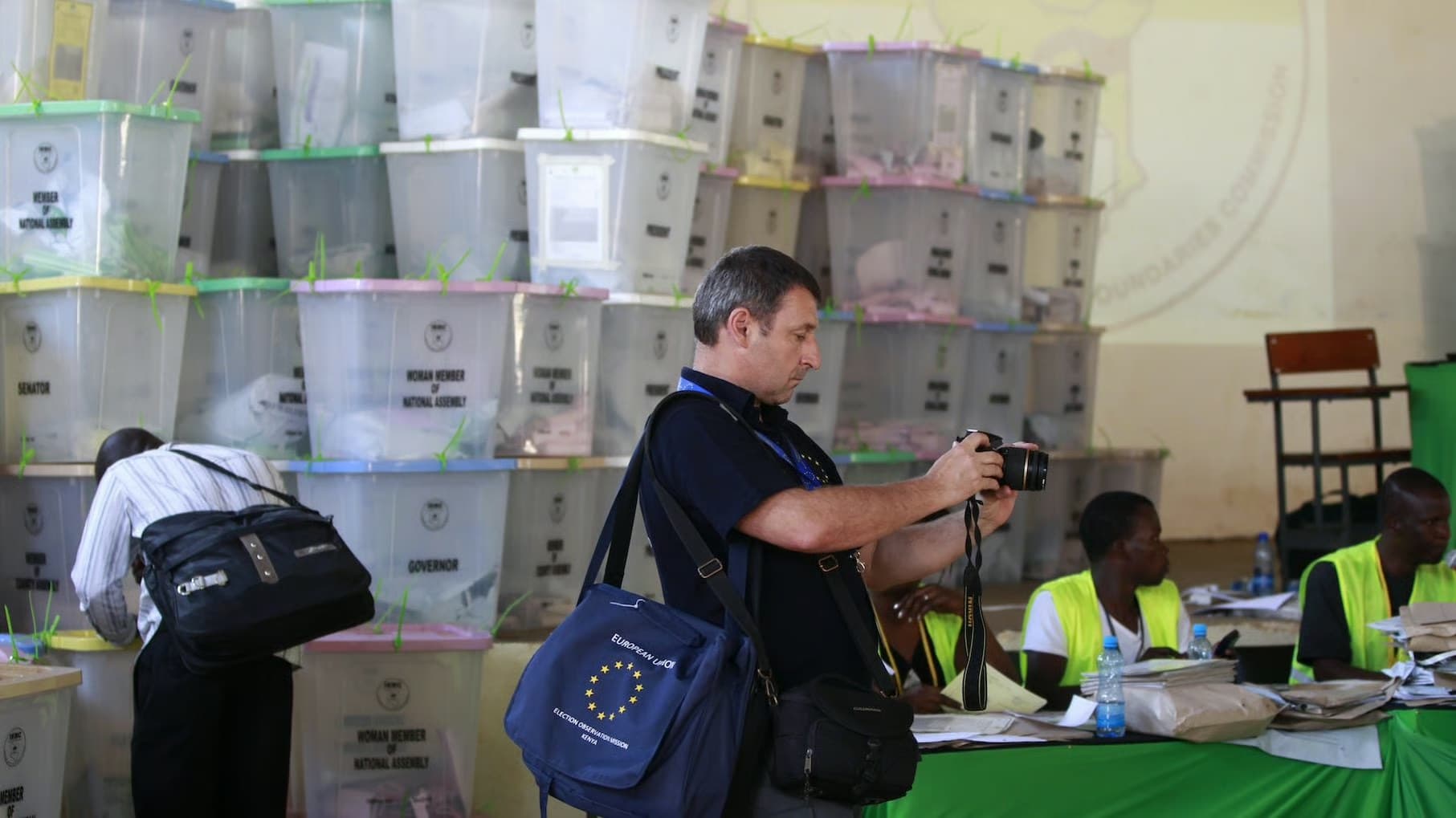
Kenya's 2022 election identified 1,272 polling stations without 3G or 4G coverage and had to provision satellite modems as backup. Fourteen percent of Africa's population has no mobile broadband coverage at all. In rural areas, that rises to one in four.
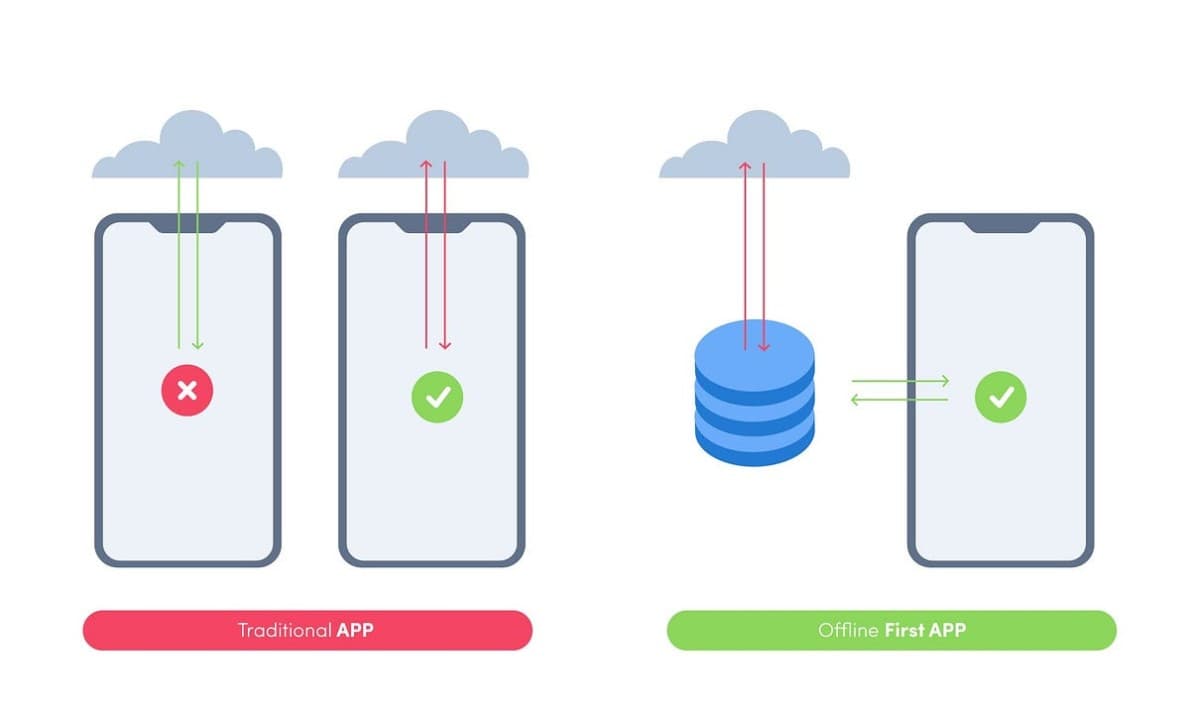
If a collector cannot continue working until the upload completes, the operation stalls. Not because the person stopped working, but because the software did.
What offline-first actually changes
An offline-first field app does more than cache data locally. It changes the tempo of the entire operation.
Collectors stop waiting
The collector finishes the interaction, captures the record, and moves to the next station. The device holds the submission in a local queue and syncs when connectivity returns.
Kenya deployed over 46,000 polling stations with roughly 400,000 temporary staff. Nigeria recruited 1.5 million. Even a focused observer mission deploys thousands of agents across difficult terrain. When each agent loses five minutes per submission waiting on a network, the compounding cost across thousands of people is not minutes. It is days of lost coverage.
Data quality goes up, not just speed
When field workers know the app will lose their progress, they adapt. They skip optional fields. They avoid attaching photos. They write shorter notes. They batch work mentally and promise to enter it later.
This is not laziness. It is rational behavior under unreliable conditions. Research on field data collection consistently shows that enumerators facing tool friction develop workarounds that degrade data quality in ways harder to detect than outright failure. A 60-minute survey completed in 20 minutes. GPS coordinates in a straight line. Signatures that look identical across households.
Reliable offline capture reverses this. The agent trusts the tool enough to complete the job properly. Photos get attached. Notes get written. The full record arrives.
Supervisors see real status instead of silence
An online-only system has two states: received, or not received. An offline-first system distinguishes between:
- captured locally, not yet synced
- sync attempted, upload failed
- submission accepted, processing
- review needed
That difference matters operationally. A supervisor who can see that 400 submissions are queued locally across 12 devices knows the data exists and connectivity is the constraint. A supervisor staring at an empty dashboard does not know if agents are working, struggling, or idle. The response to each situation is different, and silence makes all three look the same.
Election day is the hardest test
Campaign field work is forgiving. A survey submitted six hours late still has value. Election day is not forgiving.
A collector needs to photograph the results form, confirm the system accepted it, and leave. There is no time to stand at the station retrying uploads. The polling unit may be tense. Other agents are waiting. The next station is an hour away.
The right experience is:
- capture the image
- persist the form record locally
- queue OCR in the background
- confirm durable acceptance to the collector
- sync and process when bandwidth allows
The wrong experience is making the agent stand still while OCR runs or an upload retries. Nigeria learned this when presiding officers powered off BVAS devices and left before results had transmitted. The system had no way to recover without tracking people down individually.
On election day, network congestion compounds the problem. Tens of thousands of devices uploading form images simultaneously through infrastructure that struggles with normal traffic. Uploaded images in Nigeria's 2023 election arrived fuzzy and illegible, suggesting compression or degradation under load. A system that depends on real-time upload quality during peak congestion is a system designed for failure.
The sync layer is where trust lives
Offline capture is only half the problem. The other half is what happens when the device reconnects and hundreds of queued submissions compete for bandwidth.
Bad sync design causes subtle damage. A submission that appears sent but never arrives. A duplicate created when the user retries. A conflict between the field version and a server update that silently resolves by discarding one side.
Good sync design follows a few rules:
- every submission gets a client-generated ID so the server can deduplicate
- the device confirms server acceptance before clearing the local queue
- conflicts surface for human decision rather than resolving silently
- the queue drains in order, with retry logic that does not flood the network
The outbox pattern, where changes queue locally and send when connected with server-side idempotency, is the proven approach for field submission workflows. It is what makes the difference between a system where data loss is rare and visible, and one where data loss is common and invisible.
The practical takeaway
Offline-first is not a technical luxury. It is a command advantage.
The evidence is clear. KoboToolbox, built offline-first from the start, now serves over 32,000 organizations and processes millions of submissions from the hardest-to-reach places on earth. DHIS2 supports health programs covering 3.2 billion people across 90 countries. These tools work at scale because they were designed for the reality that connectivity is intermittent, not because they found a way to make it reliable.
This is why GroundWatch built its field app offline-first from day one. Collectors capture surveys, photograph tally forms, and report incidents without waiting on a network. Every submission persists locally, syncs automatically when connectivity returns, and uses client-generated IDs to prevent duplicates. The command center sees real sync status across every device, not silence. The field keeps moving.
Field software should be judged not by what it does when the network is strong, but by what happens when the signal drops and the work still has to continue.